
Longtime Tokyo Joshi Pro-Wrestling ace Miyu Yamashita is the subject of the latest TJPW FREAK!! feature, a collaborative series between the promotion and FREAK MAG. In the third entry of the project, writer Nozomu Miura and photographer Daichi Fukawa highlight the foundational star who has led the roster since its inception.
Studying karate from the age of five, the striker has dominated rings across Japan and abroad with a piercing gaze and overwhelming kicks. In the past, she wore the pressure of feeling like she had to look strong like a suit of armor, giving off an unapproachable aura that kept others at a distance. She moved to Tokyo at 17, launching her career with just three wrestlers and a single mat laid out inside a live music venue. Now in her 14th year, how did she shed that armor and arrive at a natural, unguarded state where even her juniors playfully tease her?
And what kind of ring is Tokyo Joshi Pro-Wrestling, a place she describes as allowing everyone to freely express what they believe is good? By tracing the path Miyu Yamashita has walked and the aesthetics she has upheld in each once-in-a-lifetime encounter inside the ring, we can find clues on how to stay true to a way of life that brings genuine happiness.
A Place to Belong Brimming with Individuality, Born from a Single Mat
Interviewer: First, I would like to ask you about Tokyo Joshi Pro-Wrestling as a promotion. What do you feel is the appeal of the organization right now?
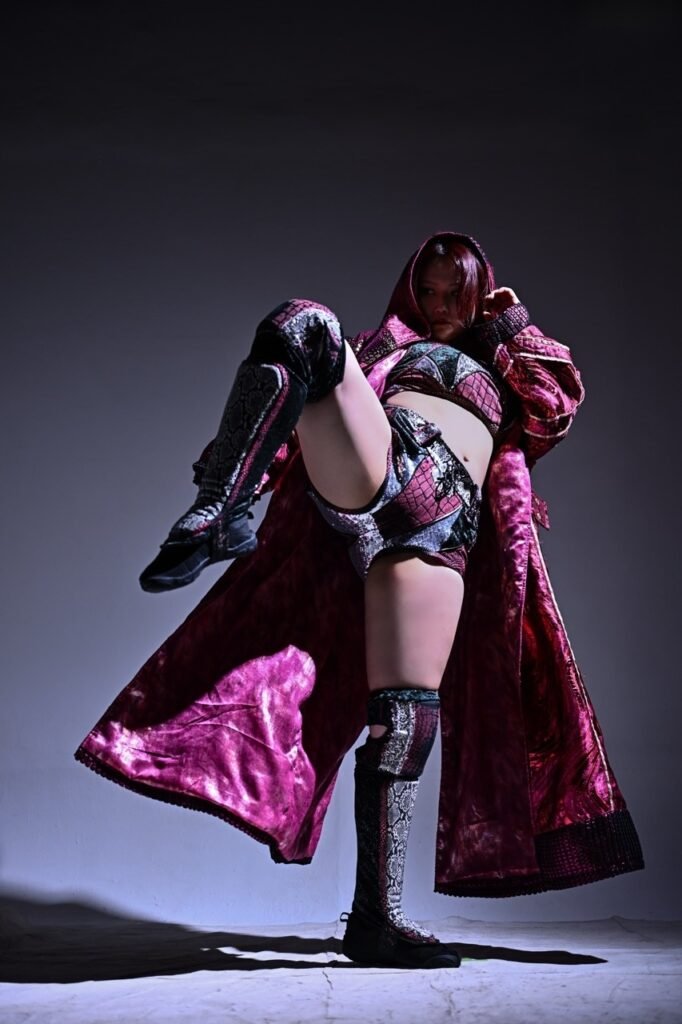
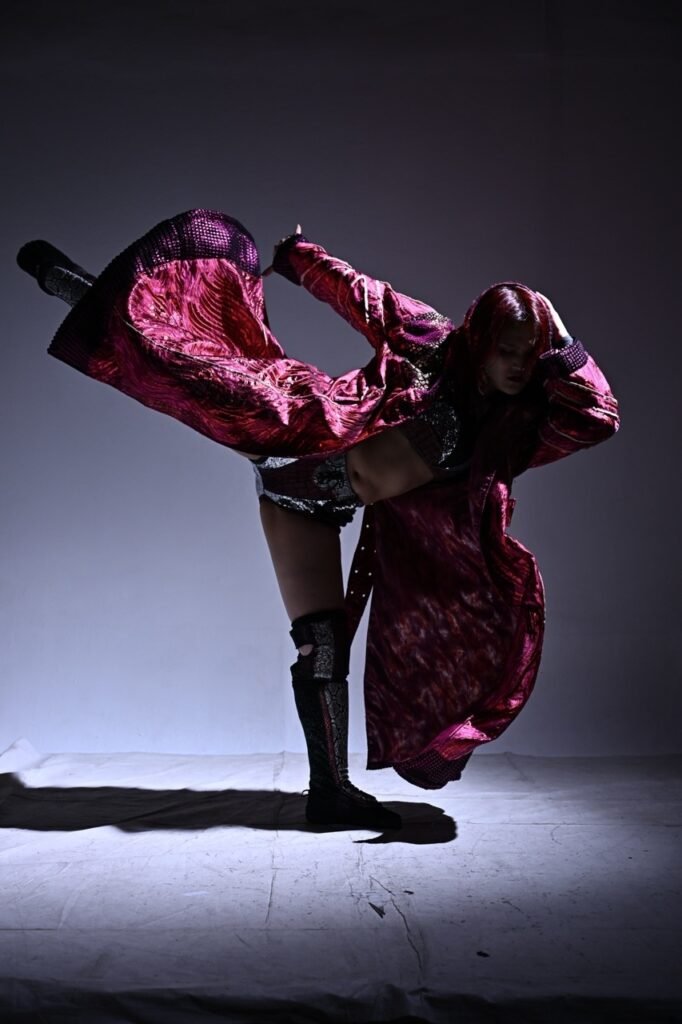
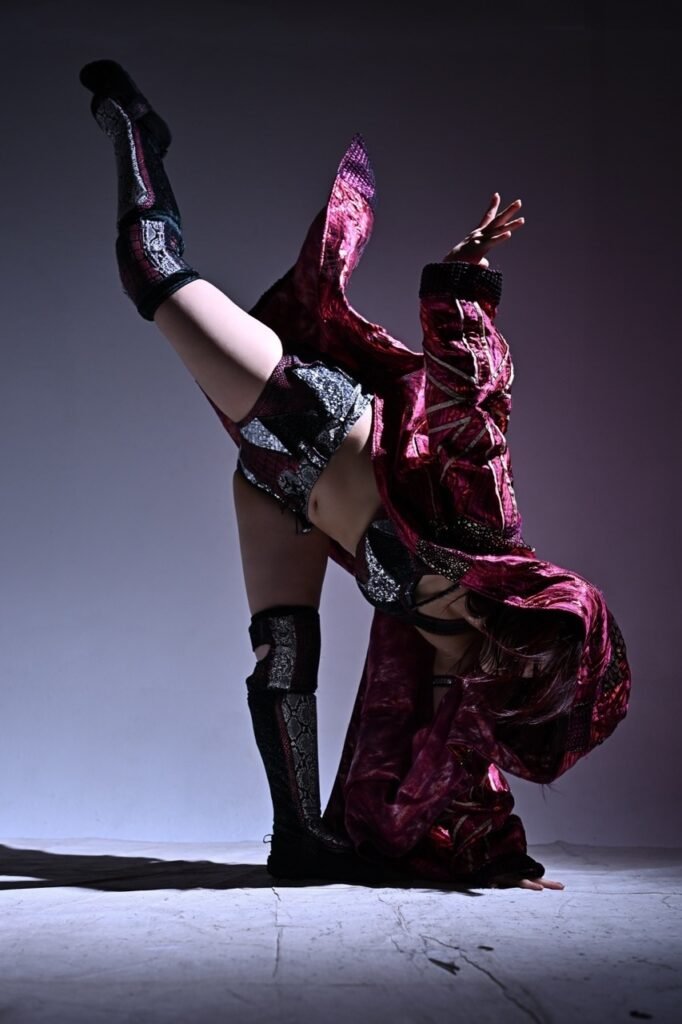
Yamashita: Everyone has such rich individuality. We have around 30 roster members right now, and not a single one of them overlaps in character. Everyone fights differently, too. My impression is that within the genre of pro wrestling, each person is freely expressing whatever they feel is good. That freedom from restrictions is the best thing about Tokyo Joshi Pro-Wrestling, and I think it connects directly to our appeal as a promotion.
Interviewer: You have been with the promotion since before its official launch. What was the environment like when you made your debut?


Yamashita: I was invited into pro wrestling at 17 and moved to Tokyo, and at first we laid a mat down inside live music clubs to hold our matches. There were only three wrestlers back then, so we could not book many matches. Because of that, one of the girls would do sambo exhibition matches with referee Daisuke Kiso, and we put events together with the cooperation of idol performers. In the beginning, the pace was such that we were happy if we could have one or two matches a month. Following the official launch from there, this year marks my 14th year.
The Spirit of “Ichi-go Ichi-e” and the Fight in Pursuit of True Strength
Interviewer: When people think of you, your strength as a karate-based striker leaves a strong impression. Do you have any non-negotiable principles or philosophies when you fight?
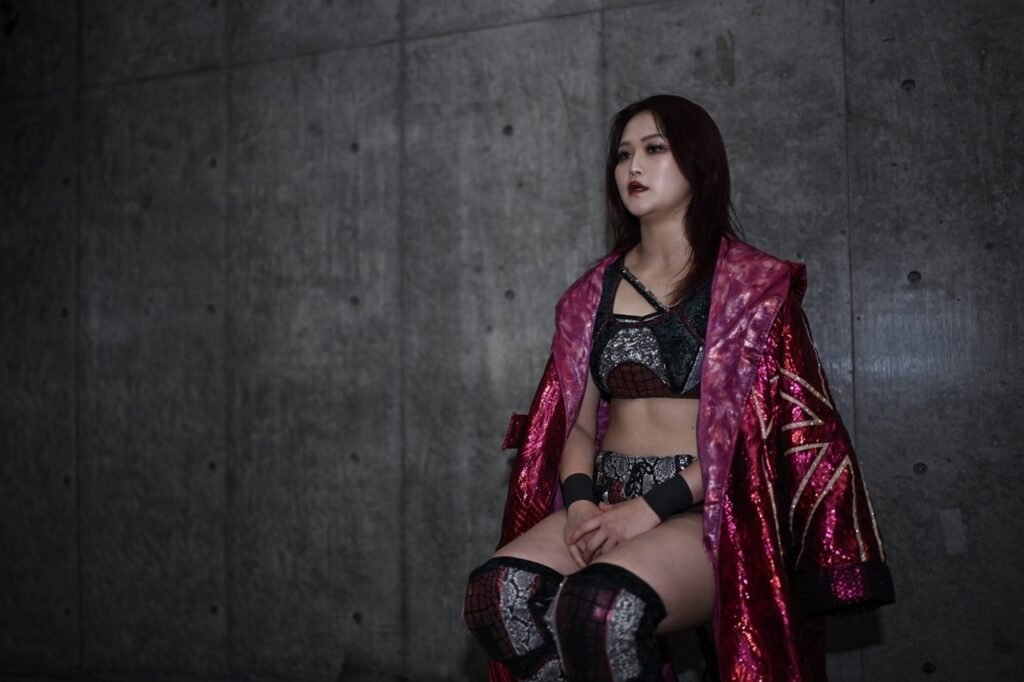

Yamashita: I am very particular about how deeply I can engage with my opponent, and with the fans who are there for us, within that short window of time. Even when I wrestle overseas, we may not speak the same language, but I am always conscious of whether I can get to know my opponent in that limited time, face them head-on, and win on top of that.
When I practiced karate, my assistant instructor told me, “Your opponent might never stand in front of you again, so do not think about a next time. That is why you must fight with gratitude and give it everything you have.” In Tokyo Joshi Pro-Wrestling, we face the same wrestlers within the promotion many times, yet the version of your opponent in that specific moment only exists right then. Even now, I treasure the words, “Fight as if every encounter is once in a lifetime.”
Interviewer: Beyond simply winning, is there anything you pay special attention to as an expressive performer?
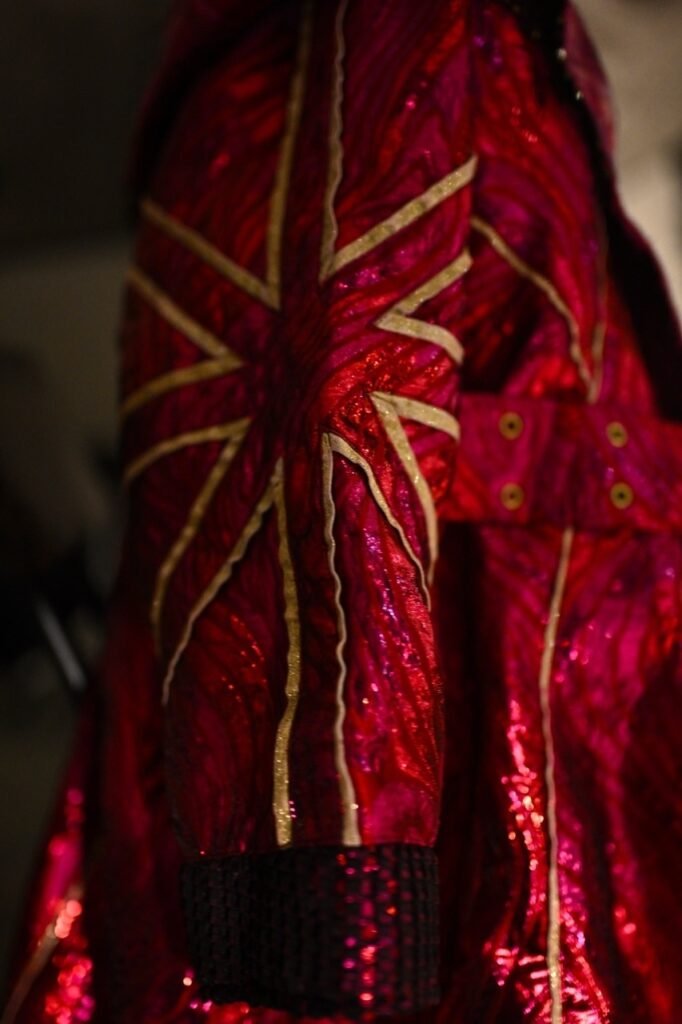
Yamashita: What I realized after entering the world of pro wrestling is that winning and losing are not everything. Even if I win a match, it frustrates me to no end if I feel like my opponent stole the atmosphere of the bout. I want to have matches where I draw out the absolute maximum from my opponent while crashing into them with everything I have as well. Also, on the expressive side, I place massive importance on my line of sight. I consciously use mind games like deliberately looking away to make an opponent drop their guard.
From a Tense Ring to an Unguarded Backstage
Interviewer: Before a match, do you get into a deeply focused and tense state of mind?
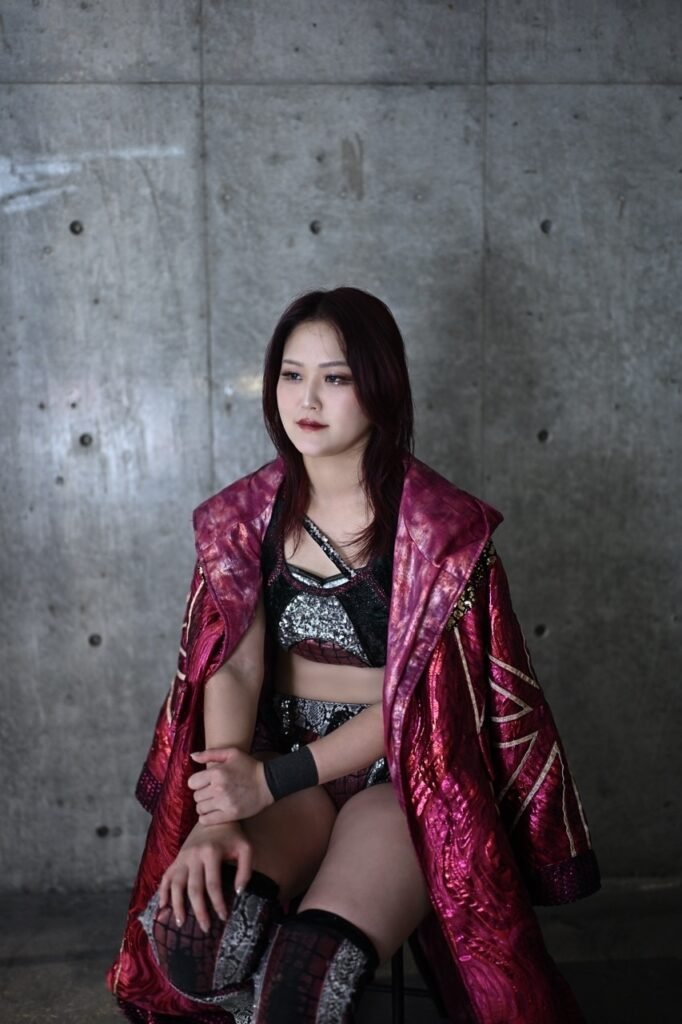
Yamashita: Yes, a switch flips before a match, and I get extremely tense. I have been like that since my karate days. Before a match, I shut myself inside a restroom or somewhere similar and concentrate so hard that I block out everyone else’s words. The moment the match ends, though, my immediate reaction is, “It is finally over!!” Backstage, I unwind so completely that the other wrestlers around me start teasing me (laughs).
Interviewer: I heard there was a period in the past when your stance was a bit different from how you are now.

Yamashita: In the early days, I was so wound up thinking, “I have to be seen as strong,” that I think I came across to those around me as a slightly scary, unapproachable wrestler. However, when I fought Sendai Girls’ Meiko Satomura and suffered a crushing defeat, I realized, “All I need to do is simply pursue strength.” Once I came to believe that I did not need any unnecessary posturing just to look strong, and that I could fight as my true, life-sized self, I was able to charge straight ahead.
Interviewer: In August 2025, you were appointed as the promotion’s inaugural leader. Is there anything you keep in mind regarding how you interact with your juniors?
Yamashita: Just because I am the leader, I do not want to be an intimidating presence who puts pressure on my juniors. Bringing everyone together is necessary, of course, but I hope that having the title of “leader” attached to my name gives the younger wrestlers an easy excuse to come talk to me. Rather than nitpicking with words, I want to be the kind of leader who sets an example through my own matches and the way I live my life.
Resetting Her Mind on Days Off, and the Place She Wants to Reach Next
Interviewer: On your days off away from pro wrestling, how do you spend your time and reset your mind?

Yamashita: I love unplanned trips, so whenever I have free time, I will suddenly head off somewhere on a whim (laughs). Basically, I live with the mindset of doing things the exact moment I feel like doing them. When I am at home, I just watch the exact same old movies over and over again. On my days off, I do not think about pro wrestling at all.
Interviewer: This connects to the theme of FREAK MAG. as well, but are you particular about fashion?
Yamashita: I really love clothes, but it is tough for me to find sizes that fit in Japan (laughs). Because of that, I often buy clothes when I go on overseas tours. In the end, I always wind up picking out outfits with the exact same style, but above all, I just make sure to wear what I genuinely like.
Interviewer: That attitude of valuing what you love seems closely connected to your current way of life. Finally, as an expressive performer, please tell us about the place you hope to reach from here on out.

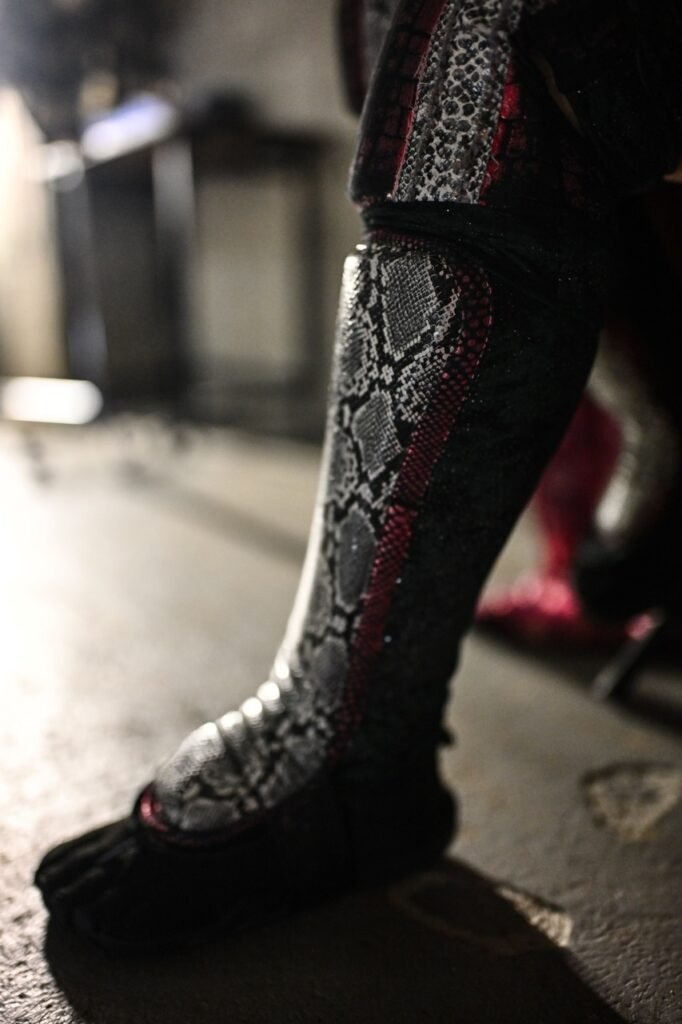
Yamashita: It is very simple, but I work hard to keep finding environments and places where I can be happy. In the past, there were times when I worried about how others saw me, but over the past few years, I have come to truly believe from the bottom of my heart that no matter how others look at me, as long as I feel genuinely happy, that is enough. In both pro wrestling and in life, I want to do the things I can only do right now, and continue staying true to a way of living that I find enjoyable.
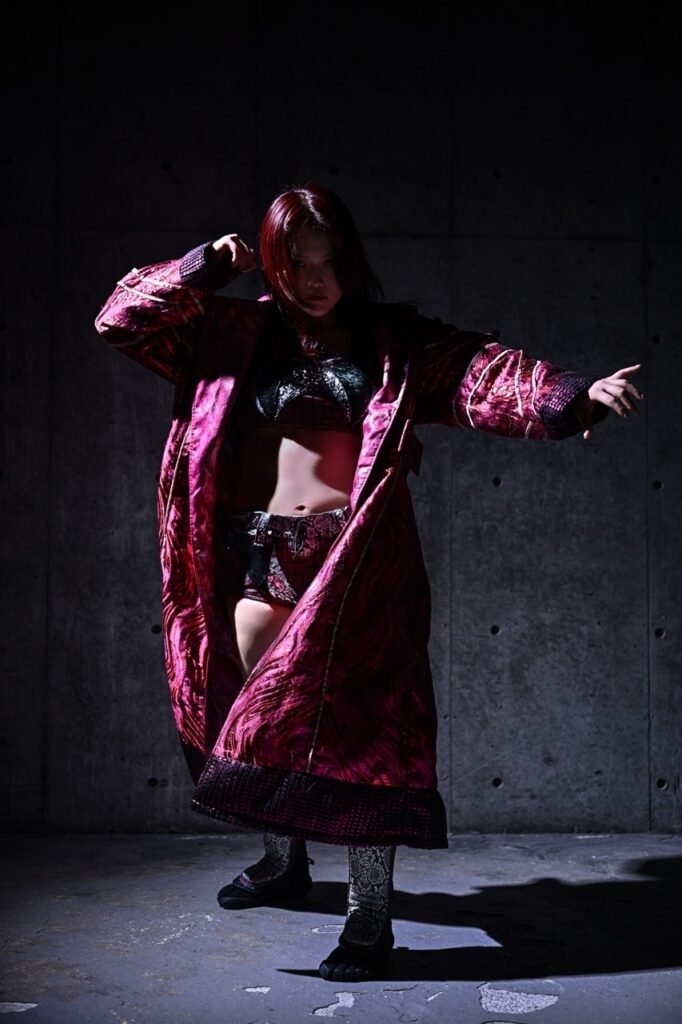
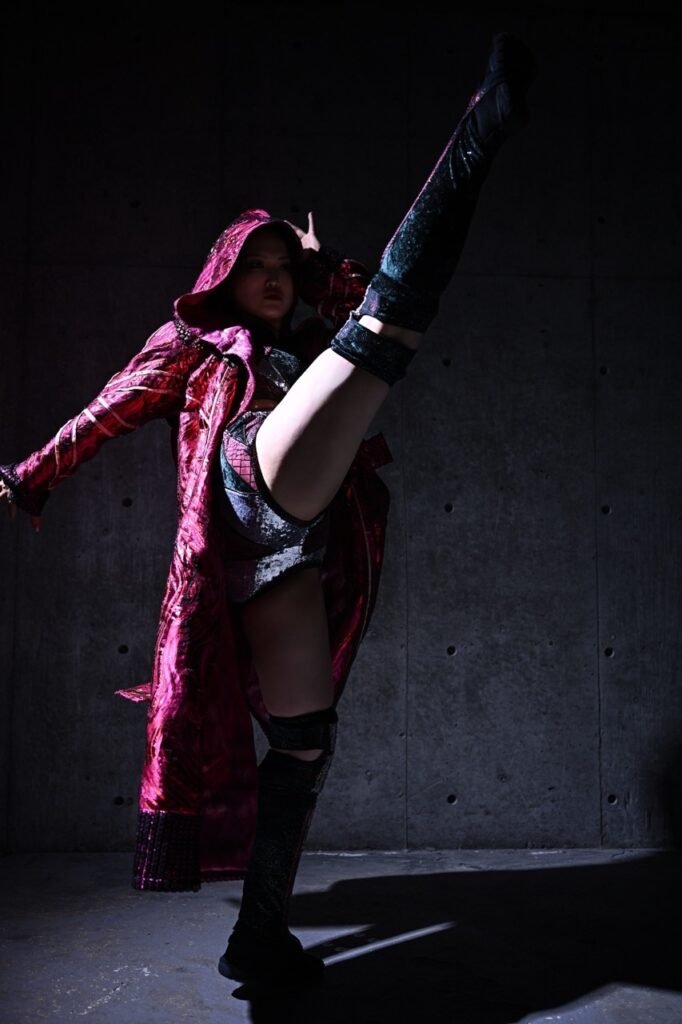
Inside the ring, she shows a gaze sharp enough to pierce right through you. Yet the self-imposed pressure that once bound her, the insistence that she had to look strong, was gradually pared away at the end of her quest for true strength.
Starting from a single mat in a live music venue, Tokyo Joshi Pro-Wrestling has grown into a gathering of 30 distinct personalities today. The undisputed ace who knows every chapter of that history now laughs softly at the affectionate teasing of her juniors.
She pours her very soul into each once-in-a-lifetime moment, absorbing everything her opponent has to offer. Behind those fierce battles lies a clumsily honest, completely genuine face, and that is surely why everyone loves and relies on her.
Living the way she wants to live and continuing to seek out places that bring her happiness, she will undoubtedly keep carving out a new future without hesitation.

Translation Notes:
- Ichi-go Ichi-e (一期一会): This classic four-character idiom (yojijukugo), originating from Japanese tea ceremony philosophy, literally translates to “one time, one meeting.” It signifies that every encounter in life is unique and can never be replicated in the exact same way. In the sub-header, the romaji term is preserved alongside its contextual meaning throughout the prose (“once-in-a-lifetime moment” / “Fight as if every encounter is once in a lifetime”) to reflect how Yamashita’s karate instructor framed the concept for combat sports.
- Moving to Tokyo (上京 / Jōkyō): In the opening narration and Yamashita’s early answers, the term jōkyō (上京) specifically refers to relocating from a regional prefecture (in her case, Fukuoka) to the capital city of Tokyo.
- Live Music Venues and Mat Shows (ライブハウスのマット一枚): Prior to running full ring shows in 2013, Tokyo Joshi Pro-Wrestling held its earliest pre-launch events on wrestling mats laid across the floors of small Tokyo live houses (intimate club venues), blending wrestling exhibition bouts with live idol performances.
- Editorial Parentheticals Integrated: In the first section, the Japanese text includes an inline editorial clarification for referee Daisuke Kiso’s given name (
レフェリーの木曽(大介)さん), and in the third section, it notes Meiko Satomura’s promotion in parentheses (里村明衣子選手(センダイガールズ)). Both have been integrated cleanly into English as “referee Daisuke Kiso” and “Sendai Girls’ Meiko Satomura.” - Shihandai (師範代): Translated here as “assistant instructor.” In traditional Japanese martial arts dojos, a shihandai is a senior instructor authorized to teach and represent the master (shihan).
- Stealing the Atmosphere (試合の空気を持っていかれた): Literally “having the air of the match taken away.” In Japanese wrestling parlance, controlling the kūki (air/atmosphere) of a venue means dictating the crowd’s emotional investment and the rhythm of the bout, even in defeat.
- Crushing Defeat (ボロ負け / Boromake) & Life-Sized Self (等身大 / Tōshindai): In the third section, Yamashita uses the colloquial term boromake (a lopsided, rag-doll loss) to describe her famous encounter with Meiko Satomura. That loss convinced her to drop her artificial aura and fight as her tōshindai (life-sized, unexaggerated) self.
- Teasing and Comic Foil Dynamics (いじられる / Ijirareru & 愛あるツッコミ / Ai aru tsukkomi): Throughout the middle and closing sections, the article highlights the contrast between Yamashita’s stoic ring presence and her relaxed backstage persona. Ijirareru refers to being playfully teased or ribbed by peers, while ai aru tsukkomi in the closing narration draws from manzai comedy terminology, referring to affectionate verbal Straight-Man jabs from her juniors when she zones out or acts goofy backstage.
- Special Sheet (スッペシャルシート): Listed in the event ticket information as Suppesharu Shīto (a stylized, emphatic spelling of “Special Sheet” used by TJPW for ringside VIP seating).