If you want to understand the central tension of modern professional wrestling, you don’t need to look at television rights fees. You just need to look at the front row.
For a promotion like Stardom, the digital audience is a massive priority. Operating under Bushiroad, the company has heavily invested in its streaming infrastructure and media exposure. The recent 5★STAR GP numbers tell a story of undeniable year-over-year growth, with average attendances holding steady above 900 and a record-setting 6,563 spectators at Ryogoku Kokugikan. But as their broadcast ambitions scale, a significant consumer issue is brewing at the intersection of the live gate and the production truck.
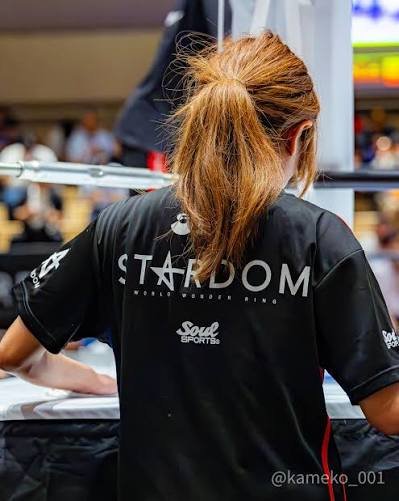
On August 18 at Tokyo’s Korakuen Hall, that friction spilled over into public view. During a pivotal tournament event—streamed in its entirety on YouTube—multiple attendees took to X to voice their frustration over ringside camera operators and wrestler seconds continually obstructing their view.
These were not minor gripes from the cheap seats. Customers who paid premium prices reported having their sightlines completely blocked for extended periods. One circulating account detailed a first-time fan engaging in an active dispute with venue staff over a photographer’s positioning. The discourse became loud enough that fans began directly tagging Stardom President Taro Okada, demanding accountability for a setup that seemed to prioritize the lens over the live attendee.
From a sports media perspective, Stardom’s dilemma is textbook. A clean, high-definition shot has infinite shelf life. It becomes a social media clip, a promotional asset, and archival footage that can drive streaming subscriptions for years. But the consumer sitting six meters from the ring paid for real-time geometry, not a prolonged view of a cameraman’s back. When a promotion forces the live attendee to subsidize the physical cost of the broadcast, they are playing a dangerous game with audience retention.
The fix here is operational, not philosophical. You don’t abandon the streaming product, but you must map your camera positions against your premium seating chart before the doors open. A broadcast should enhance a live event, not cannibalize it. For a company banking on aggressive expansion, Stardom’s management must remember that the most critical metric isn’t always the digital footprint—it’s the fan in the building deciding whether or not to ever buy a ticket again.